Understanding Baltic Timber Quality
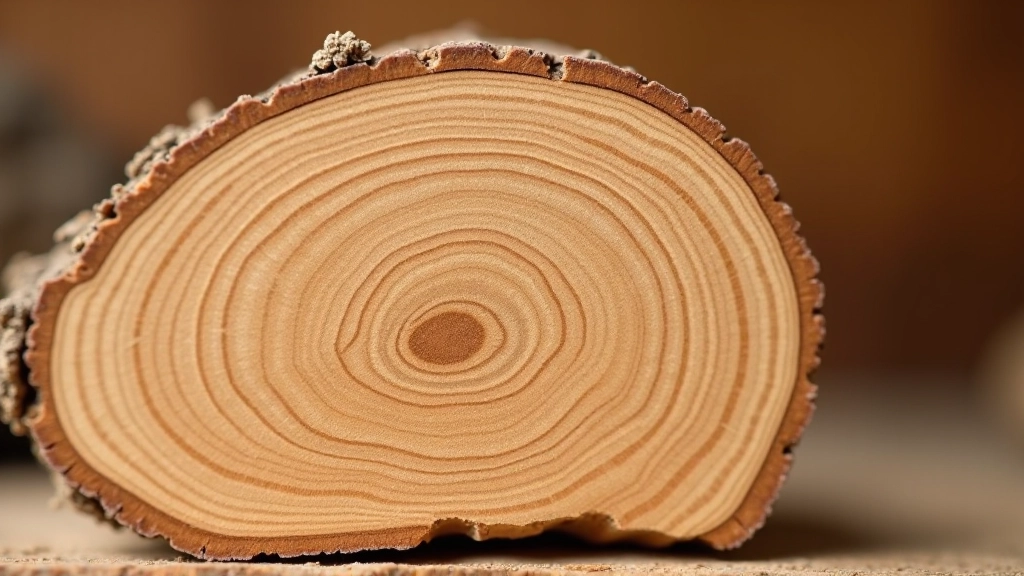
Baltic timber isn't just a label—it's a guarantee of quality that comes from specific growing conditions. The forests of Lithuania, Latvia, and Estonia produce wood with tight grain patterns and natural durability. You'll notice the difference the moment you hold it.
The slow growth in northern climates means denser wood. That's why Baltic pine and spruce became favorites among serious woodworkers. It's stronger, it holds detail better, and it actually ages beautifully. When you're planning a project that'll last decades, this matters.
Most beginners don't realize that wood species vary significantly. Pine is forgiving for first projects. Oak offers stunning grain but requires sharper tools. Ash is tough and flexible—great for handles. You'll want to match the wood to your project, not just grab whatever's available.
Educational Note: This article provides informational guidance about sourcing wood and working with local suppliers. Specific project requirements, safety considerations, and pricing vary by location and supplier. Always verify wood specifications with your supplier and follow local safety guidelines for your woodworking projects.
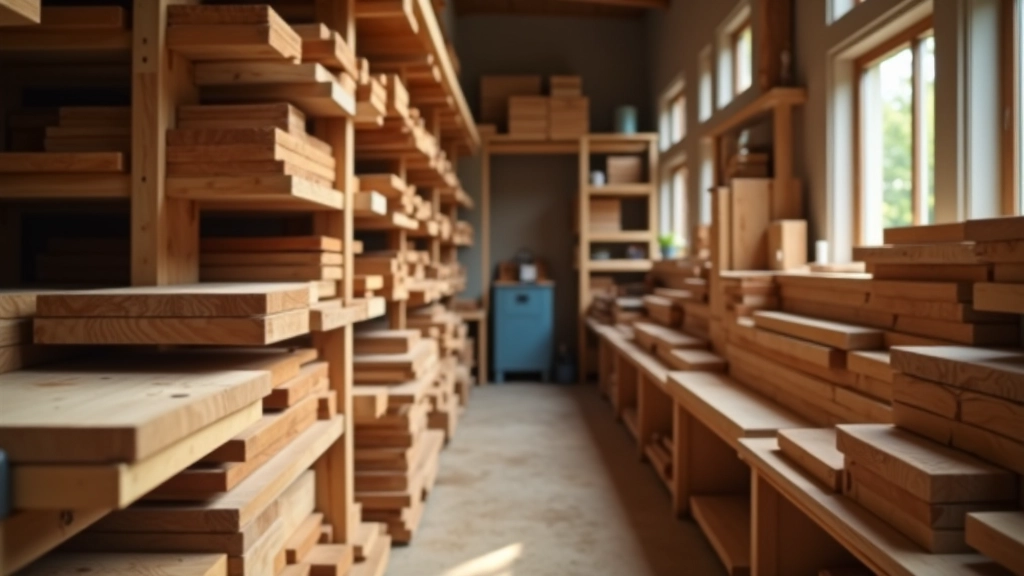
Where to Find Local Medienos Suppliers
You've got several solid options for finding quality wood locally. The biggest suppliers operate in Vilnius, Kaunas, and other major cities, but don't overlook smaller regional operations. Many smaller suppliers actually have better relationships with forest cooperatives and can source specialty pieces.
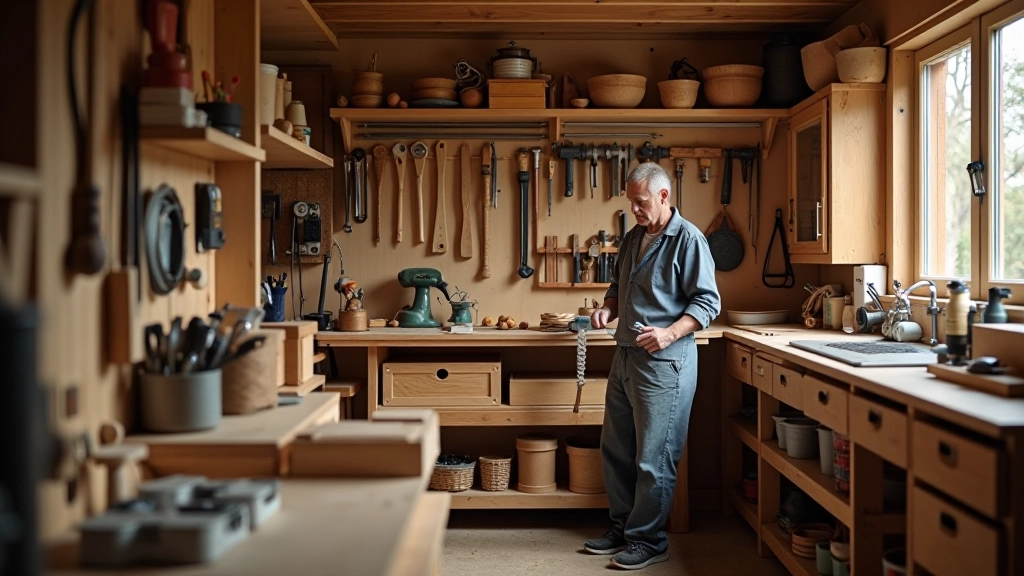
Start by checking out established timber merchants in your area. These folks have been in business for years—sometimes decades. They'll know their stock inside and out and can usually recommend what's best for your specific project. Don't be shy about asking questions. The good ones actually enjoy talking wood.
Online platforms are expanding too. Several Lithuanian medienos suppliers now offer online ordering with local pickup or delivery. You'll find price comparisons easier, but you lose the chance to inspect the wood firsthand. The best approach? Start with online research, then visit a supplier in person before you commit to a large order.
Key Factors When Choosing Wood
Moisture content is absolutely critical. Wood that's too wet will warp and crack as it dries. Most quality suppliers kiln-dry their stock to around 12-15% moisture content—perfect for indoor projects. If you're buying from someone who doesn't track this, walk away.
Grain Direction
Straight grain is easier to work with, especially when hand-planing or carving. Cross-grain can catch your tools unexpectedly.
Knots and Defects
Small knots are fine and add character. Large knots or checks (cracks) can compromise structural integrity.
Straightness
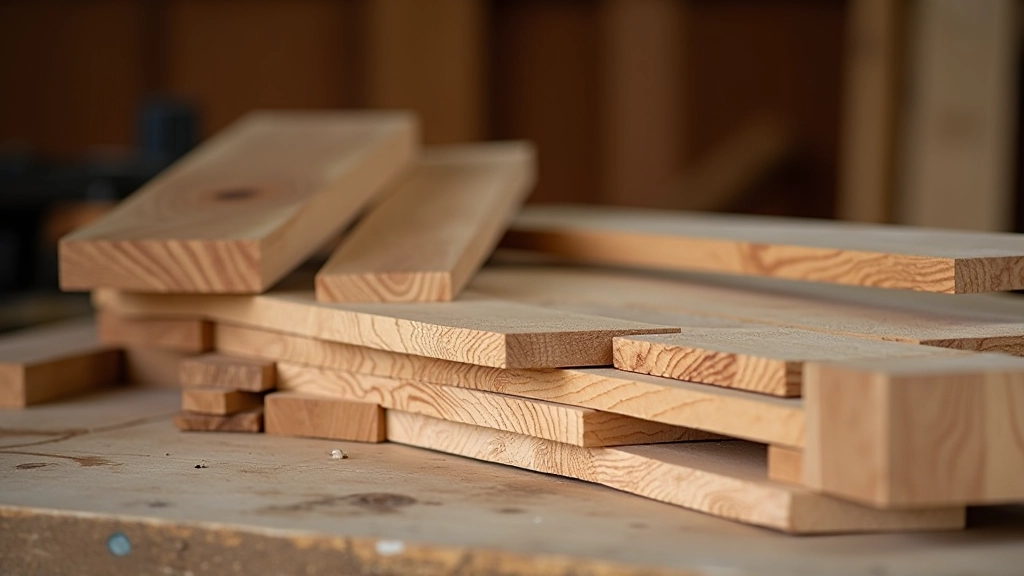
Cupped, bowed, or twisted boards mean extra work or waste. Flat stock saves you time and frustration.
When you're at the supplier, run your hands over the wood. Feel for splinters, check for soft spots (sign of decay), and sight down the edge to catch any warping. This takes thirty seconds but tells you everything.

Building a Relationship with Your Supplier
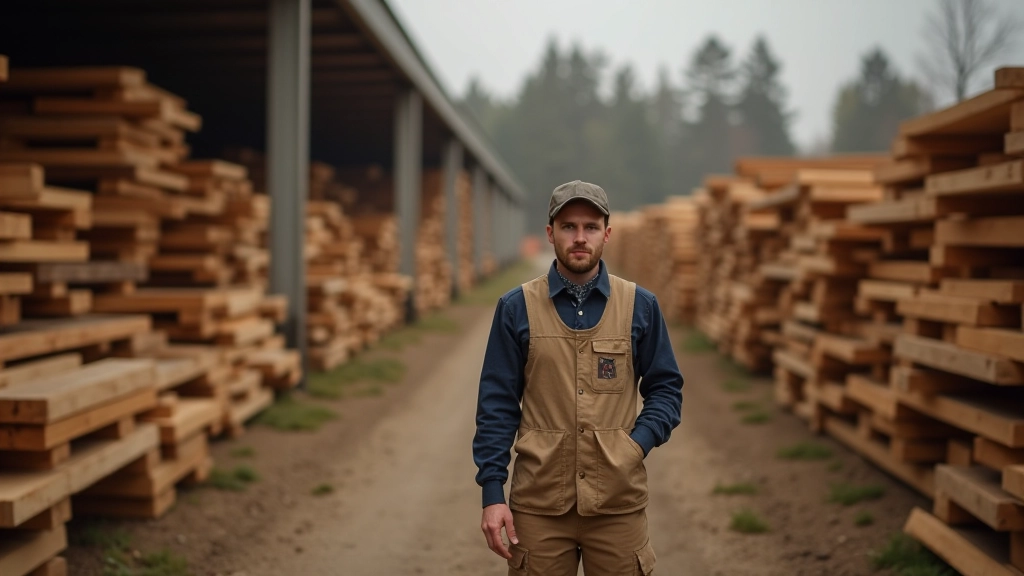
The best thing you can do? Find one supplier you trust and keep coming back. You'll get to know their stock, they'll remember what you like, and they'll often set aside special pieces for regulars. Plus, regular customers often get better pricing on bulk orders.
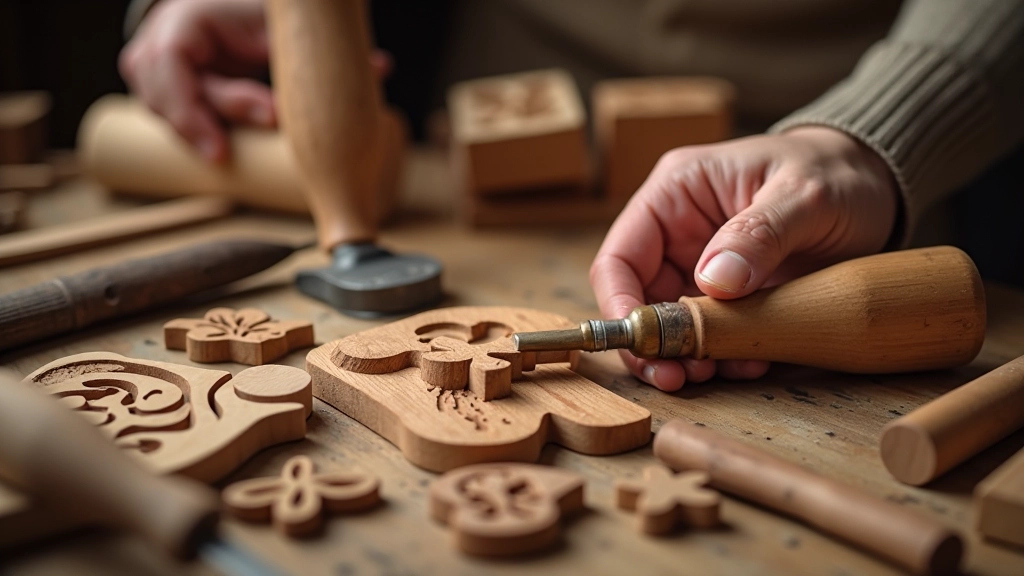
Don't hesitate to ask for recommendations. If you're building a specific project—say a traditional kryždirbystė cross or a decorative box—tell them exactly what you're making. They can suggest the right wood species and might even help you avoid common mistakes. They've seen hundreds of projects and want yours to turn out well.
Most importantly, buy smaller quantities at first while you're learning. A single plank of good Baltic pine costs much less than you'd expect. You'll learn what you like, develop relationships with suppliers, and build confidence. Once you've done five or six projects, you'll know exactly what to look for and where to find it.
Getting Started Today
Finding quality Baltic timber doesn't require special knowledge or connections. It just takes a little time and attention. Visit a local medienos supplier, inspect the wood carefully, and start small. You'll quickly develop an eye for quality and discover your favorite sources.
The wood you choose sets the tone for everything that follows. Invest in quality material, learn from experienced suppliers, and you'll create pieces you're genuinely proud of. That's how real woodworking starts.