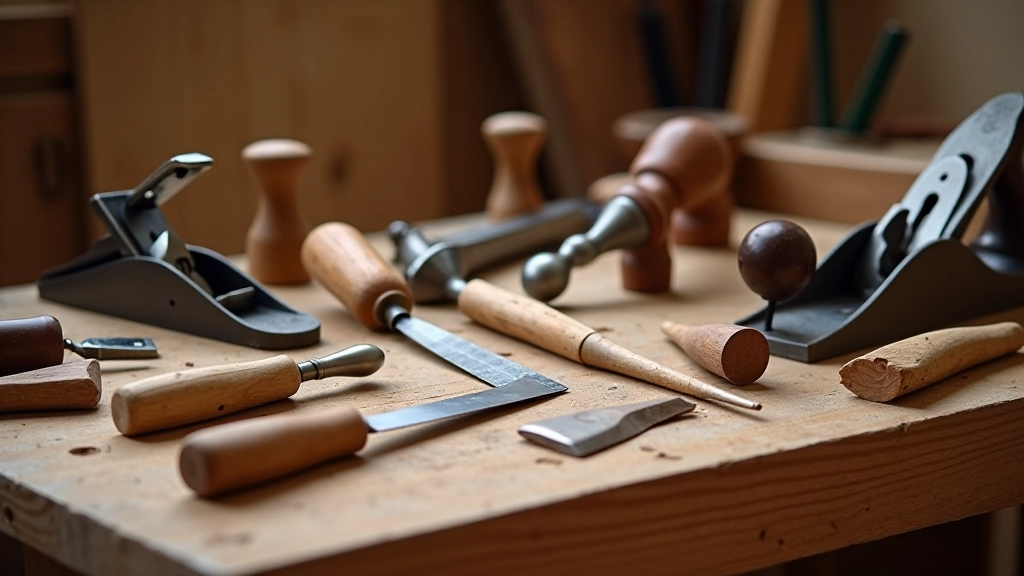
Why Quality Tools Matter
Starting with the right tools doesn't mean spending a fortune. It means investing in pieces that'll actually work and stick around. A dull chisel frustrates you into quitting. A sharp one? That's satisfying.
We've all heard stories about someone's grandfather's toolbox lasting 50 years. That's not luck. It's about picking tools that work, using them correctly, and keeping them sharp. Most beginners skip this part and wonder why their projects feel harder than they should.
You don't need 200 tools to start. You need maybe 10 good ones. Each does one job really well. Once you've used them for a few months, you'll know which ones actually fit your hands and your way of working.
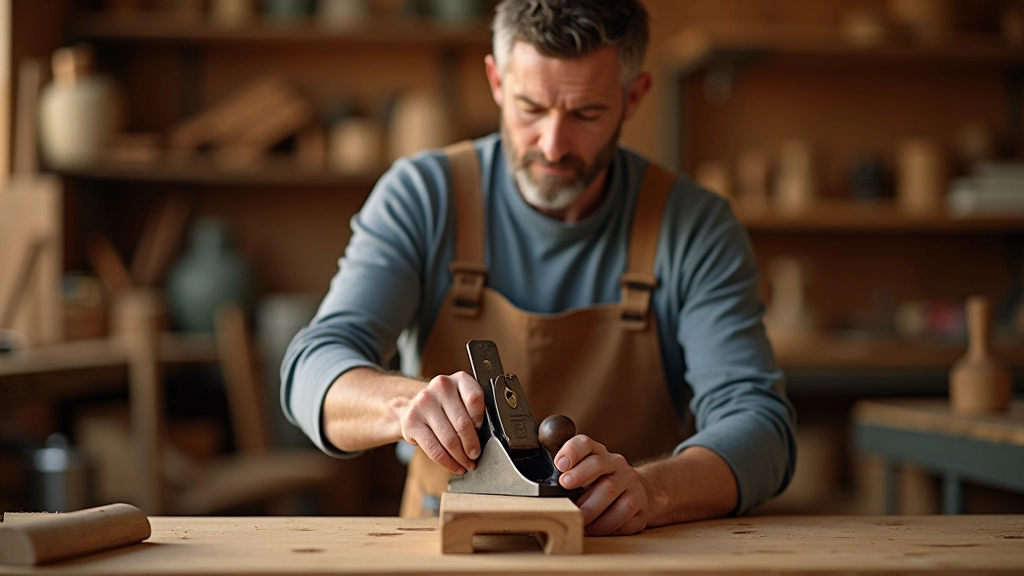
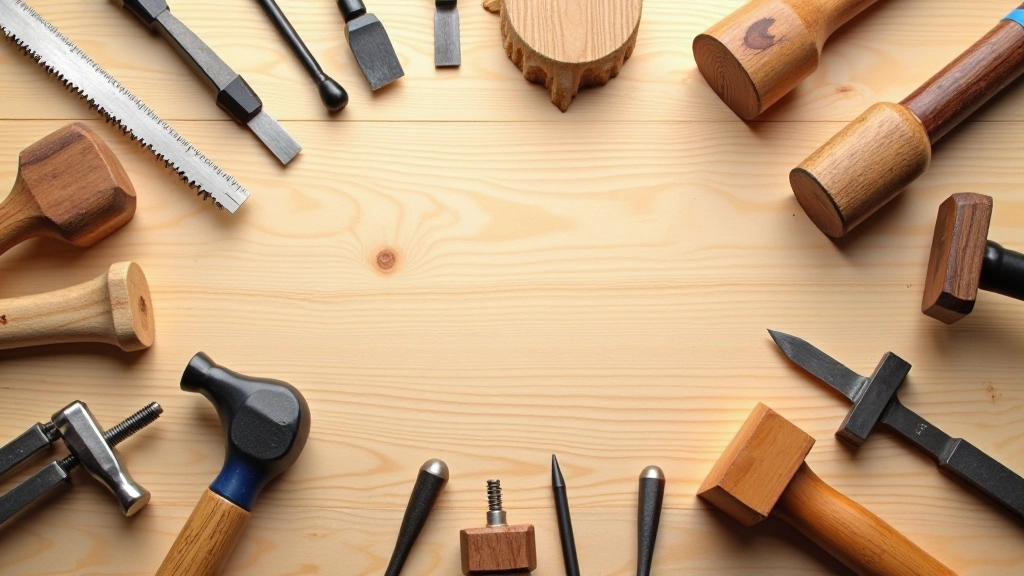
The Core Hand Tools You'll Actually Use
Chisels
Start with four widths: 1/4", 1/2", 3/4", and 1". A good chisel costs between €15-25. It'll outlast cheap ones by years. Keep them sharp — this is where most people fail. A dull chisel forces you to use bad technique.
Hand Saws
You'll need a crosscut saw (for cutting across grain) and a ripsaw (for cutting along grain). Or get one quality backsaw that handles both. A saw doesn't need to be expensive — €20-30 gets you something reliable. It's the sharpening that matters.
Hand Planes
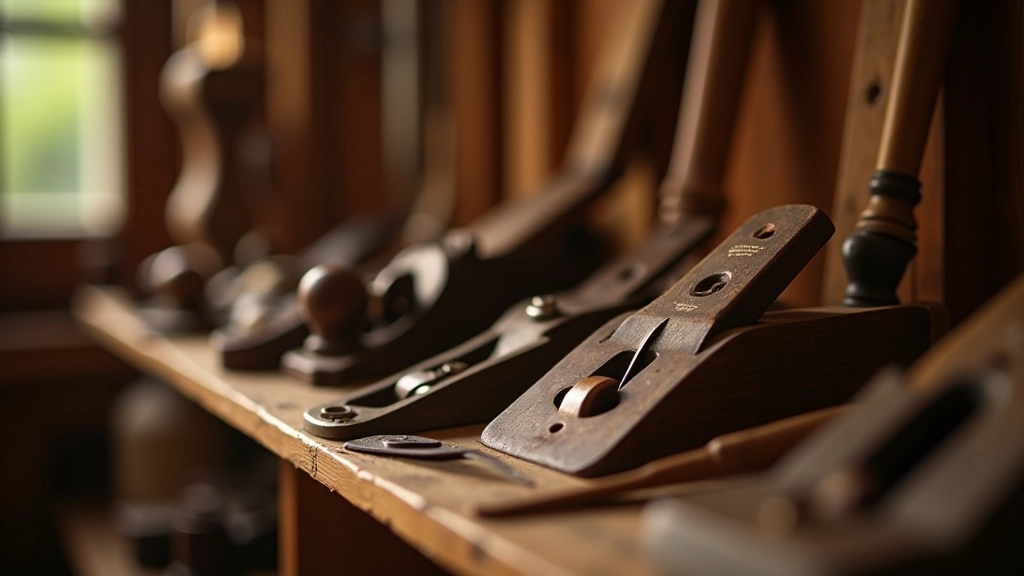
Start with a #5 jointer plane or #4 bench plane. These flatten surfaces and prepare wood. You'll use it constantly once you get the hang of it. Budget €40-60 for a decent vintage one — they're often better than new.
Measuring and Marking
A quality ruler, combination square, and marking gauge. These don't wear out and last forever. Spend €30-50 on these three tools. Accuracy starts here — if you mark it wrong, you'll cut it wrong.
Hammers and Mallets
A 16oz claw hammer for general work and a wooden mallet for driving chisels. The mallet's crucial — you'll use it for detail work. €15-25 gets you solid ones.
Clamps
Start with four bar clamps and two spring clamps. You can't have too many clamps. They're the extra hands you don't have. €10-15 per clamp, and they'll be your best friends.
Tool Safety Reminder
This article provides educational information about hand tools for woodworking hobbyists. Always wear appropriate safety equipment (eye protection, work gloves), follow manufacturer guidelines, and work in a well-ventilated space. If you're new to woodworking, consider taking a hands-on class with an experienced instructor before starting major projects. Hand tools can cause injury if misused — proper technique and safety practices are essential.
Sharpening and Maintenance
Here's the thing nobody tells beginners: maintaining tools matters more than buying them. A €20 chisel kept sharp outperforms a €100 chisel that's dull. You're not just buying the tool — you're committing to keeping it sharp.
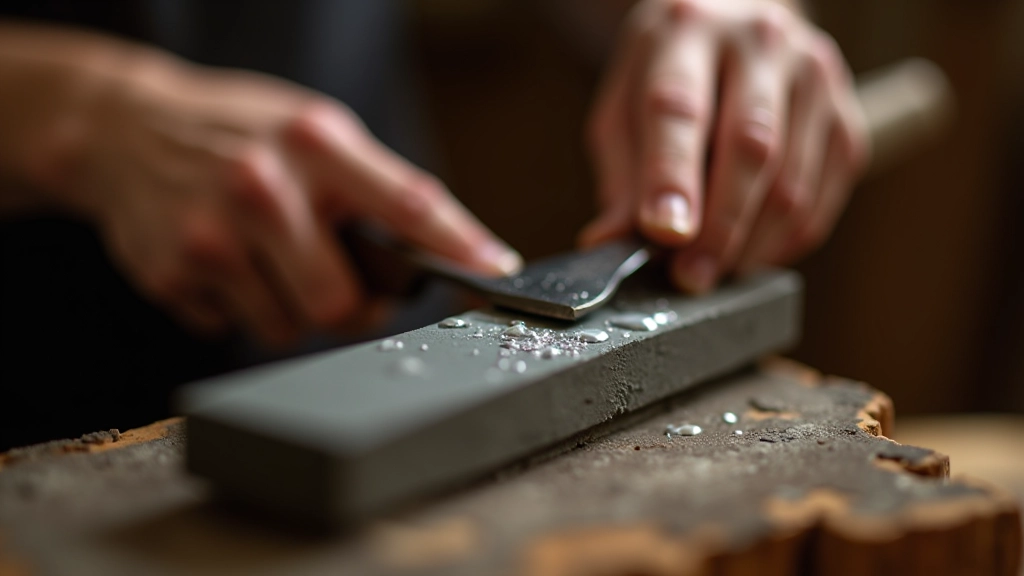
Sharpening doesn't require fancy equipment. You need whetstones or honing stones. Start with a 1000-grit stone and a 6000-grit stone. That's about €30-40 for decent ones. You'll use them every few weeks, depending on how much you work.
The technique takes practice. Your first week of sharpening will be frustrating. By week three, you'll start feeling when an edge is truly sharp. After two months, you won't even think about it — you'll just sharpen when needed.
Storage matters too. Tools need to breathe but stay dry. A simple wall-mounted rack works. Don't throw chisels loose in a drawer where they bang against each other. Protect the edges.
The Learning Curve Is Real
Hand tools teach you something power tools can't: patience and control. Your first project with hand tools will take longer than you expect. That's fine. You're learning.
The first month is awkward. You'll make mistakes with your hands that you'd never make with a power tool. But around week 6 or 7, something clicks. You start feeling the wood. You know when to push harder or back off. It becomes intuitive.
Don't compare yourself to someone who's been doing this for years. Compare yourself to yourself last month. Did you make fewer mistakes? Did the work feel smoother? That's progress.
Join a local woodworking group or club if you can. Having someone who's experienced watch your technique makes a huge difference. They'll catch bad habits before they become permanent.
Starting on a Budget
You don't need €500 to get started. Budget €150-200 for core tools. Here's how: four chisels (€60), a handsaw (€25), a hand plane (€40), measuring tools (€20), clamps (€30), and sharpening stones (€35). That's a functional setup.
Look for vintage tools at local markets, online, or estate sales. Old tools are often better than new ones at the same price. A Stanley #4 plane from the 1970s? €15-20 and it'll outlast any new cheap plane. You'll need to clean and sharpen it, but that's part of the learning process.
Avoid the ultra-cheap stuff. There's a sweet spot between cheap and expensive. A €20 chisel beats a €5 chisel every time. But you don't need the €60 artisan chisel to start.
Add tools as you need them. After three months of regular use, you'll know exactly what you're missing. Maybe you need a better saw. Maybe you want a specific plane. Buy then, not now.