
Why You Don't Need a Fortune to Start
Most people think woodworking requires a massive investment. It doesn't. You're not trying to set up a professional cabinet shop — you just want a place where you can actually work. That's completely different.
The secret isn't spending more money. It's being smart about what you buy, where you get it, and how you organize the space you've got. We've helped plenty of hobbyists create great workshops for under 500 euros. They're not fancy, but they work.
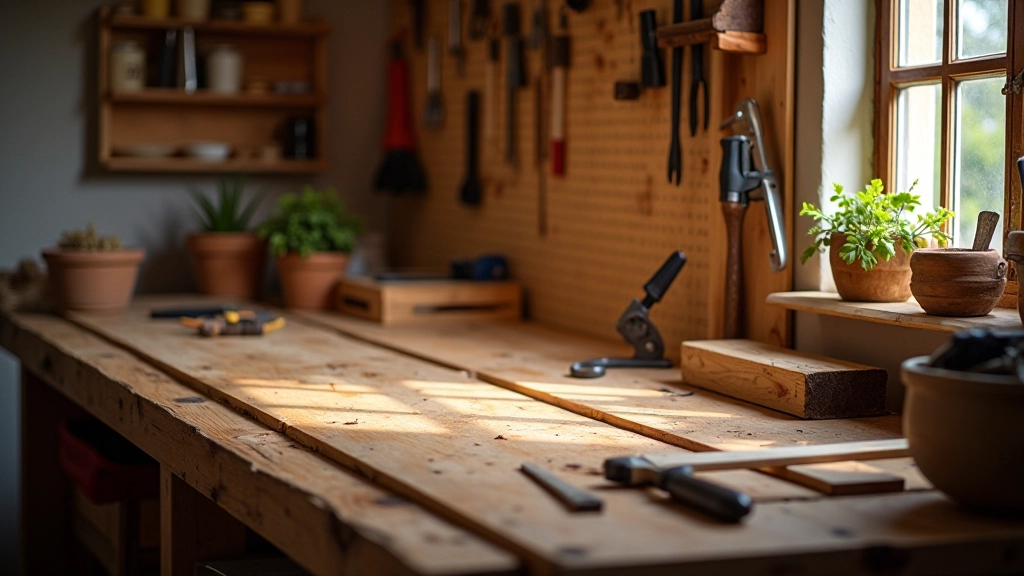
Here's what actually matters: a solid workbench, good lighting, and organized storage. Everything else can come later. Start with those three things, and you'll be surprised how much you can accomplish.
Start With the Essentials
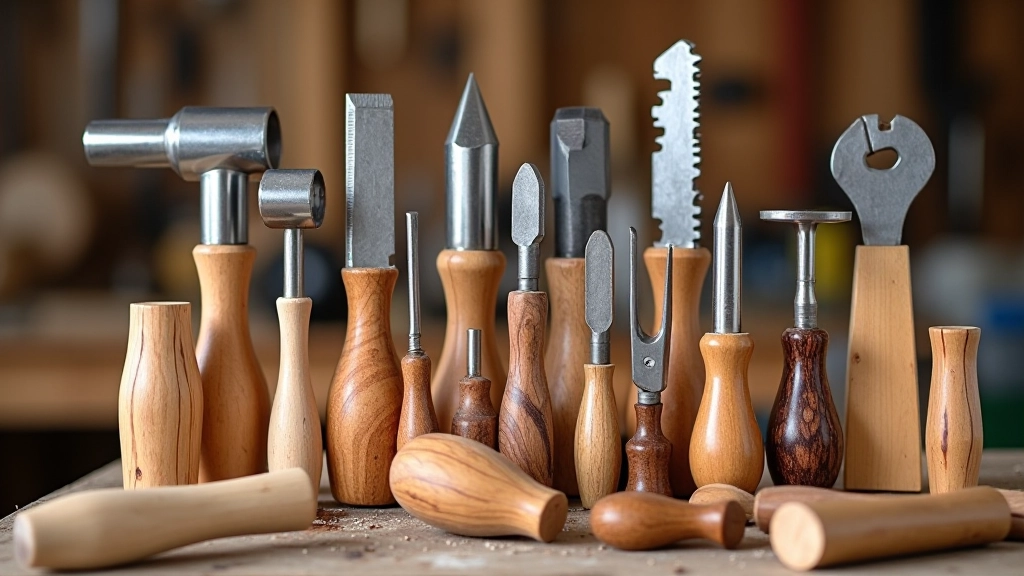
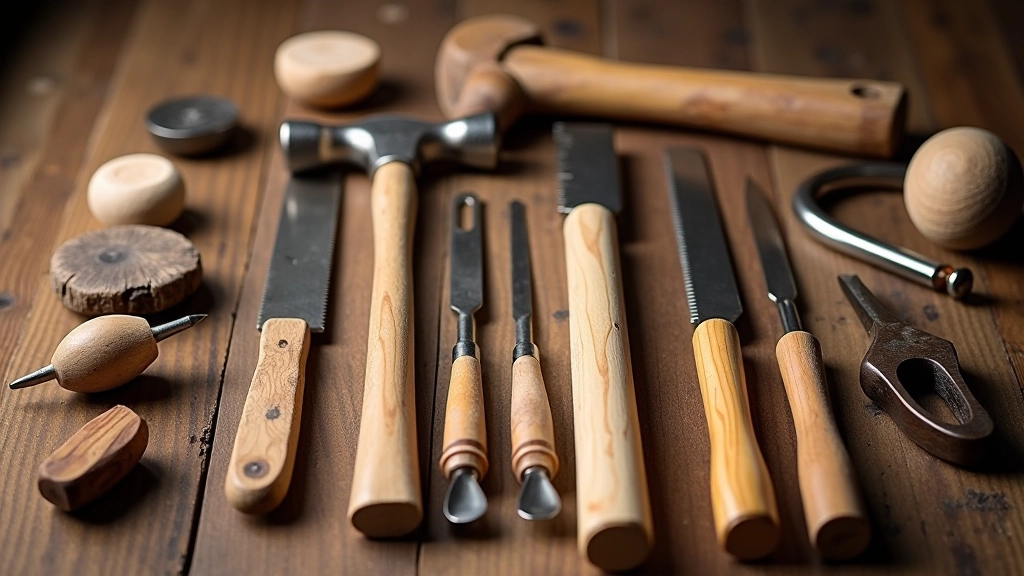
You need maybe 15-20 hand tools to get going. Not 200. A good handsaw, a set of chisels, a hammer, a mallet, measuring tape, a square, and a few clamps. That's your foundation. Most of these you'll use for years.
Don't buy cheap tools though. There's a difference between budget-friendly and terrible. Spend a bit more on quality chisels and a good saw — they'll last forever and actually work properly. You can find these secondhand sometimes, which saves money without sacrificing quality.
Budget estimate: 150-200 euros for decent hand tools. You'll find sales, and honestly, tools last. This isn't a yearly expense.
Educational Information
This article provides general guidance on workshop setup and budgeting for woodworking. Specific circumstances vary based on your space, available budget, and project goals. Always prioritize safety when working with tools and materials, and follow manufacturer guidelines for all equipment.
The Workbench — Your Most Important Investment
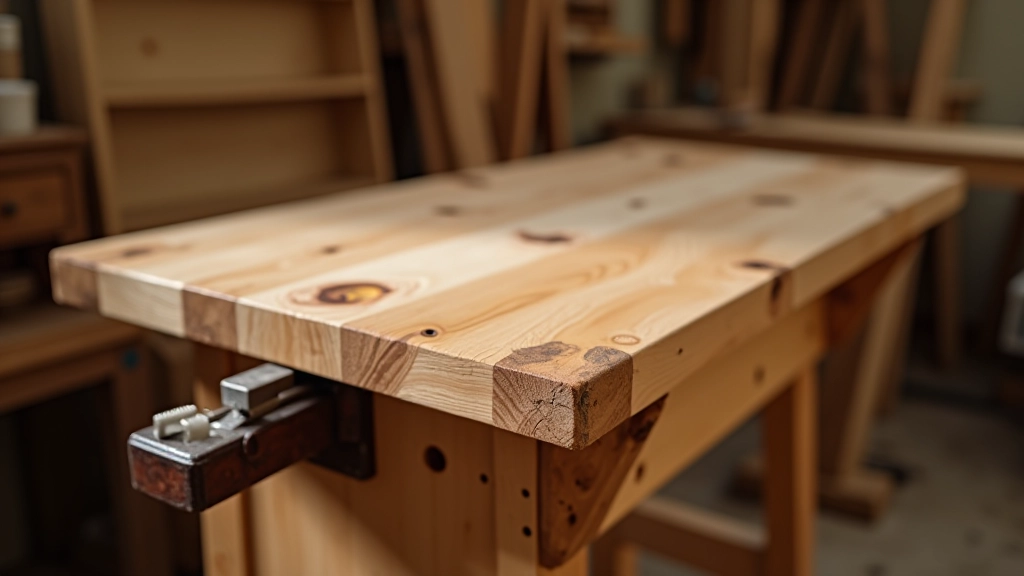
A solid workbench is everything. You're going to be leaning on it, clamping things to it, and beating on it with hammers. It needs to be sturdy and at the right height (around 85-90 centimeters is standard).
You can build one from scratch. Get a couple of thick pine boards, some 2x4 lumber, and some hardware. There are hundreds of plans online. A basic bench costs 80-120 euros in materials if you shop carefully. If you're not ready to build yet, look for used benches locally — people sell them all the time when they clean out garages.
The important part: it doesn't have to be perfect or beautiful. It needs to be flat enough to work on and heavy enough not to move around. That's it.
Lighting Changes Everything
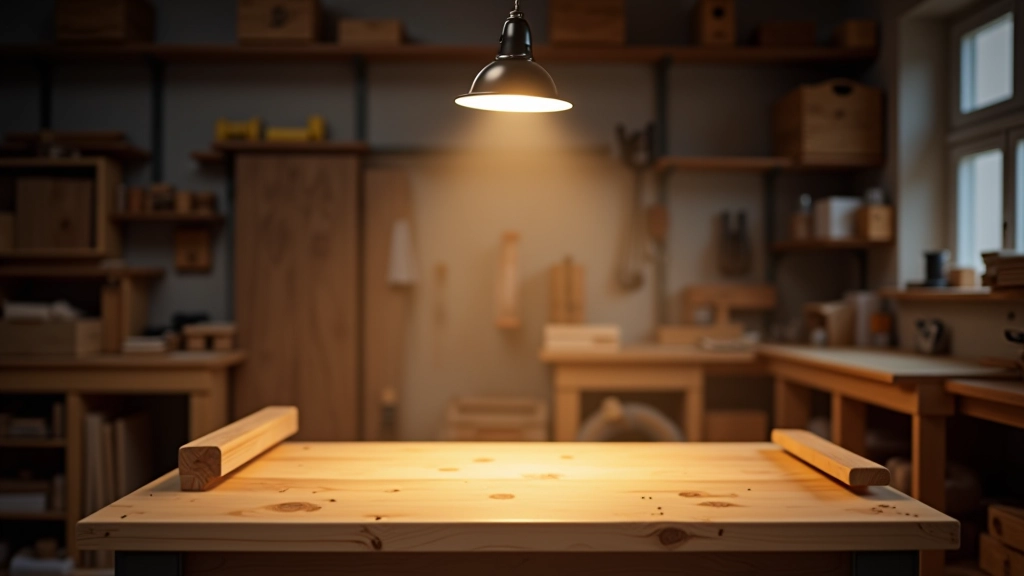
Bad lighting ruins everything. You can't see what you're doing, you'll make mistakes, and you'll strain your eyes. If your space has one weak overhead light, fix that first.
LED work lights are cheap now. Two good LED panels that clip to your workbench run about 40-60 euros total and they're bright enough to see detail clearly. Add a clip-on lamp or two, and you're golden. Proper lighting doesn't just help you work better — it makes the whole space feel more professional.
Pro tip: position lights so they come from above and slightly to the side. This reduces glare and shadows. Your eyes will thank you after a few hours of work.
Storage and Organization
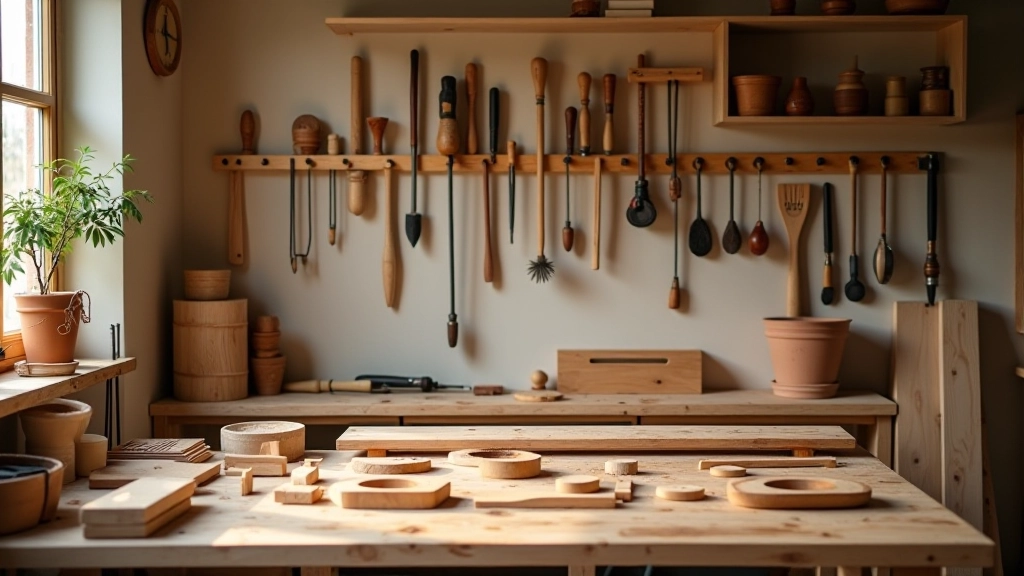
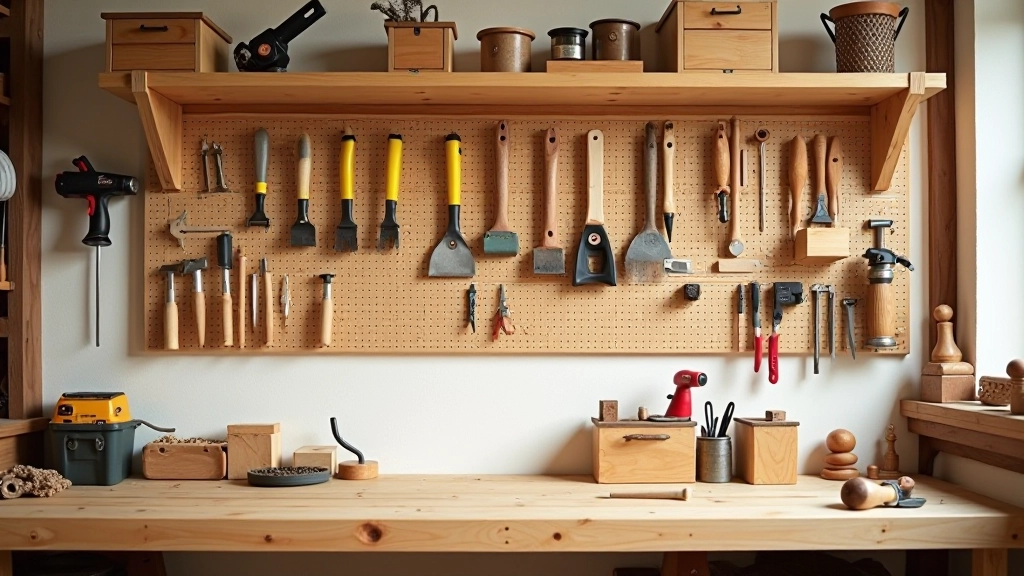
Here's where you save money and actually gain sanity: wall space. A pegboard or some simple wall shelving keeps tools visible and organized. You're not building a fancy display — you're making sure you can find what you need without digging through boxes.
Start with what you've got. Wall-mounted shelves, old cabinets, even plastic storage boxes organized on a shelf. The goal is simple: everything has a place. When tools are scattered around, you'll buy duplicates you don't need.
Estimate for basic storage: 60-100 euros. A pegboard kit, some shelves, maybe some wall-mounted cabinets if you find them used. This investment pays for itself because you won't be buying the same tool twice.
Your Real Budget
Let's be honest about costs. You're looking at roughly 300-400 euros for a functional workspace if you're starting from nothing. That includes a basic workbench (or the materials to build one), essential hand tools, decent lighting, and some storage solutions.
Is that a lot? Maybe. But it's a one-time investment, and it's way less than people assume. Plus, you'll add tools gradually as you need them — not all at once. Your first project might only require a saw, a chisel, and a hammer. That's it.
The real secret to a budget workshop isn't spending nothing. It's spending smart, choosing quality where it matters (workbench, tools, lighting), and being patient. Build it gradually. Use what you've got. Learn as you go. That's how real workshops get built.